Solar Water Heater Repair and Other Specialized Plumbing Services
Solar water heating has a strong foothold in Hawaiʻi for practical reasons. Sun is abundant, energy costs matter, and homeowners pay attention when hot water goes cold. Yet solar systems are often discussed as if they sit outside the plumbing trade, when in reality they intersect directly with it. The tank, valves, connections, and water-moving components all demand the kind of judgment that only a trained plumber brings to the job.
That is where specialized plumbing services become more than a convenience. A clogged drain is one thing. A solar hot water system that is not delivering, a hidden leak that keeps a bill high, or a sewer line problem that disrupts an entire property is another. These are situations where the right diagnosis matters as much as the repair itself.
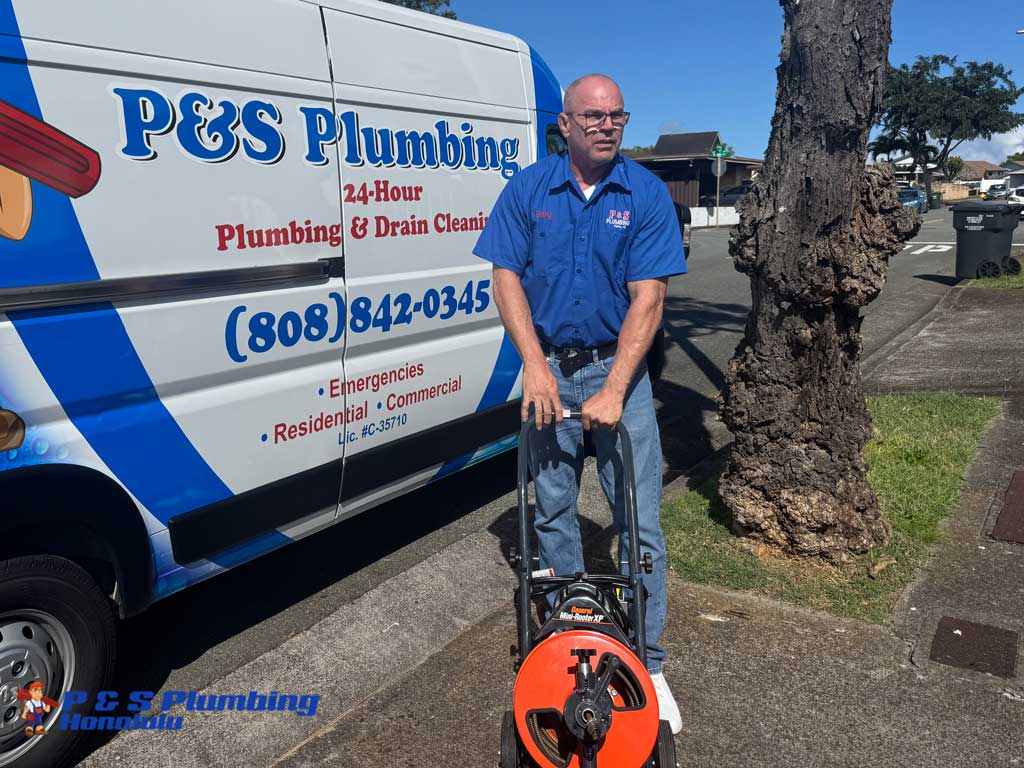
In Hilo and across Hawaiʻi Island, property owners often start with a simple online search for a "plumber near me" and hope the first result can handle everything. Sometimes that works. Sometimes it does not. The difference usually comes down to whether the plumbing company has the licensing, service scope, and field experience to deal with work that is more technical than a dripping faucet or a backed-up sink.
Why specialized plumbing work deserves a closer look
Routine plumbing service is familiar to most people. A toilet runs, a faucet leaks, a drain slows down, and a plumber fixes it. Specialized plumbing calls are different because they often involve system interaction. One fault can imitate another. A hot water complaint may come from a failed component, a valve issue, a leak, or a problem elsewhere in the system. A sewer complaint may show up first as a slow shower or floor drain. A commercial plumbing issue may affect multiple fixtures, tenants, or business operations at once.
That complexity is why the first visit matters so much. Good plumbing work is not just about turning wrenches. It is about ruling things out in the right order, knowing when a repair is appropriate, and recognizing when code, permits, or licensing requirements affect the work.
Hawaiʻi regulates plumbing work through the Department of Commerce and Consumer Affairs. Licensed plumbers must meet state licensing and renewal requirements, including continuing competency requirements for active PJ and PM licenses. The state also advises consumers to verify the contractor’s name and license number before hiring. That is not paperwork for its own sake. It is a practical safeguard, especially when the service call involves hot water systems, concealed leaks, drain lines, or larger commercial work.
Solar water heater repair is not ordinary water heater repair
A homeowner without hot water tends to describe the problem in one sentence: “The water heater stopped working.” In the field, that can mean several different things. With a solar water heater, the complaint can be even broader. Water may be lukewarm in the morning, hot in the afternoon, inconsistent from day to day, or unreliable during stretches of mixed weather. The system may still produce some hot water, which makes diagnosis more nuanced than a complete shutdown.
Solar water heater repair requires a plumber to think in layers. The visible symptom is usually poor performance, not total failure. The underlying issue could involve plumbing components and connections that need inspection and repair. What makes these calls challenging is that homeowners often wait longer before scheduling service. If the system still gives partial hot water, it is easy to put off the repair and adapt with shorter showers or different habits. That delay can turn a small fault into a more expensive one.
A solid service approach begins with careful observation and plain questions. When did the problem start. Is the hot water short-lived or absent all day. Has the performance changed gradually or all at once. Has there been any visible leaking near the tank or connected piping. Those details shape the diagnostic path. They also help avoid the all-too-common mistake of replacing parts before confirming the actual cause.
In practice, solar water heater repair also demands realism. Not every underperforming system needs a major overhaul. Sometimes the right fix is targeted and efficient. Other times the repair call reveals several age-related issues at once, and the smart decision is to address them together rather than in piecemeal fashion. That is where experience shows. A professional plumber should be able to explain what emergency plumber is urgent, what is optional, and what can reasonably wait.
For property owners, the biggest mistake is assuming any hot water issue belongs to a general handyman or an unlicensed repair person. Hawaiʻi guidance is clear that electrical and plumbing contractors must employ licensed electricians and plumbers to perform the actual work. Even if a problem looks simple from the outside, a water heating system is not a place for shortcuts.
Water heater repair still demands precise troubleshooting
Standard water heater repair may sound less specialized than solar water heater repair, but it also punishes guesswork. A no-hot-water call can stem from several causes, and replacing a unit too quickly is one of the most expensive mistakes a homeowner can make.
An experienced plumber usually starts by separating three questions. Is there truly no hot water, or is there not enough. Is the issue isolated to one fixture, or does it affect the whole property. Did the problem begin suddenly, or has capacity dropped over time. Those details often determine whether the trouble is localized, systemic, or related to wear.
This matters in residential settings, and it matters even more in commercial buildings. Restaurants, multifamily properties, and service businesses do not merely prefer hot water. They depend on it. Delays can disrupt operations, cleaning routines, and tenant comfort. That is one reason commercial plumbing requires a different mindset. The repair itself matters, but minimizing downtime matters too.
A capable commercial plumber looks at the repair through an operational lens. Can the issue be isolated. Is there a way to restore partial service while permanent repairs are arranged. Will shutting down one section protect the rest of the building. Those questions are not dramatic, but they save owners money and reduce the secondary damage that often comes from waiting too long.
Drain cleaning is simple, until it is not
Most drain cleaning calls begin with a fixture that drains slowly or not at all. Kitchen sinks, tubs, showers, and floor drains tend to give some warning before they stop completely. The temptation is to treat all clogs as minor inconveniences. Sometimes they are. Sometimes they are the first visible sign of a larger line problem.
The distinction matters because a local clog and a line issue can appear similar at first. A single slow sink may point to a fixture-level blockage. Several slow drains at once often suggest something farther down the system. The right response is not panic, but it should be prompt. Delayed drain cleaning tends to narrow the repair options and raise the chance of overflow or contamination.
When clients call an emergency plumber for a backup, what they usually want is immediate relief. That is reasonable. But the best service call does two things: it restores flow, and it identifies whether the problem is likely to return. Temporary relief has its place, especially after hours, though nobody should confuse it with a complete solution if the line condition points to a repeat failure.
In Hilo, where property owners may be juggling weather exposure, tenant needs, or older plumbing infrastructure, a careful drain cleaning visit can prevent a rough week from becoming a costly month. It is not glamorous work, but it is some of the most important maintenance a property receives.
Sewer line repair requires patience, not bravado
Sewer problems test everyone’s nerves. Odors, backups, repeated drain trouble, and uncertain excavation needs can make a property owner want a quick yes or no answer. Real sewer line repair rarely works that way. The consequences are too serious for guesswork, and the access conditions are too variable for blanket promises.
What a skilled plumber does here is narrow uncertainty step by step. Is the issue recurring in one branch or affecting the building more broadly. Has drain cleaning restored service before, only for the problem to return. Are there signs that the fault lies beyond a simple interior blockage. Those questions help determine whether a property is looking at maintenance, targeted repair, or a larger sewer line issue.
This is also an area where licensing scope matters. State contractor license listings in Hawaiʻi show plumbing contractors operating with plumbing and sewer related classifications, including C-37 plumbing contractor and C-43 sewer, sewage disposal, drain, and pipe laying classifications. For an owner, that matters less as a code number than as a practical signal. Sewer work is specialized, disruptive when done poorly, and worth assigning to the right professionals from the start.
Some owners hesitate because they fear any sewer line repair automatically means major excavation. That fear can delay the call. Delay is usually the costlier move. An unresolved sewer issue rarely gets better on its own. Even when the immediate symptom eases, the underlying condition often remains.
Leak detection is part science, part disciplined observation
Few plumbing calls are more frustrating than the hidden leak. The owner knows something is wrong, but the evidence is indirect. Water use climbs. A wall stains. Flooring changes. Moisture appears where it should not. Yet the actual source stays out of sight.
Leak detection is specialized because it depends on resisting assumptions. Water can travel. What appears to be a roof issue may be plumbing-related. What looks like a fixture leak may originate from a nearby connection or line. The job is to confirm the source before opening walls, replacing finishes, or tearing into the wrong area.
That sounds obvious, but rushed work in leak detection creates expensive collateral damage. A disciplined plumber works from evidence, not hunches. That approach protects both the property and the repair budget. It also helps prioritize. Not every leak carries the same level of urgency, but every active leak deserves attention because hidden water damage rarely stays small.
There is another practical reason to treat leak detection seriously in Hawaiʻi County. Some plumbing maintenance by a licensed plumber may still require a permit when the work involves repairing, replacing, or rearranging valves or pipes. Homeowners are often surprised by that. They hear the word “maintenance” and assume permits are never part of the picture. In reality, the scope of work can change that. A good plumber should flag the issue early rather than after walls are open and parts are on site.
Emergency plumbing in Hilo is about response and judgment
People often use the term emergency plumber to mean any service available after hours. Availability is part of it, but true emergency plumbing is more about judgment under pressure. The right first move is not always the full repair. Sometimes it is isolation, stabilization, and prevention of further damage until permanent work can proceed safely.
That distinction matters in Hilo, where property owners may also be coordinating with public infrastructure concerns. Hawaiʻi County’s Department of Water Supply lists a Hilo baseyard and water emergency presence, which underscores an important point: not every water problem begins or ends on private property. A homeowner or manager needs a plumber who can quickly determine whether the issue is internal, service-related, or something that may involve the utility side.
Here are the situations that deserve fast action and a calm call to a qualified professional:
- Active leaks that cannot be controlled with fixture shutoff valves.
- Loss of hot water in a property where tenants or operations depend on it.
- Drain backups that threaten overflow inside the building.
- Suspected sewer problems affecting multiple fixtures.
- Water-related issues where the source is unclear and damage is spreading.
Those are not theoretical categories. They are the calls where waiting until next week often turns a manageable repair into restoration work, downtime, or avoidable property damage.
Commercial plumbing has a different set of stakes
Commercial plumbing is often described as residential plumbing at a larger scale. That is too simple. The physical systems may share familiar components, but the service context is different. Access is more complicated. Shutdowns affect staff and customers. Multiple users can obscure the timeline of a problem. Liability and coordination become more significant.
A commercial plumber has to manage the repair and the business reality around it. That might mean scheduling around operating hours, isolating only the affected area, or staging work in phases. It also means clearer communication. Building managers do not just need a diagnosis. They need to know what happens next, how service will be affected, and whether temporary measures are sensible.
This is local plumber where specialization pays off. A plumber who regularly handles commercial calls tends to ask better operational questions. Which restrooms are critical. How many units or suites are affected. Is there a service window that reduces impact. Can one repair prevent a larger closure later. Those are not side issues. They are part of competent plumbing service in a commercial setting.
What to look for before you hire
A good search for a Hilo plumber should do more than pull up a phone number. It should lead you to someone whose licensing, service range, and communication style fit the work you actually need. Consumers in Hawaiʻi are advised to verify the contractor’s name and license number before hiring, and that advice is especially relevant when the problem involves specialized repairs.
A practical hiring screen is not complicated:
- Confirm the contractor and license information before approving work.
- Ask whether the company regularly handles the specific issue, such as solar water heater repair, leak detection, drain cleaning, or sewer line repair.
- Clarify whether the actual plumbing work will be performed by licensed plumbers.
- Ask whether the expected scope may require a permit.
- Make sure the explanation of the problem is clear enough that you understand what is being repaired and why.
That last point gets overlooked. Technical work does not excuse vague communication. You should not need a plumbing license to understand the basic diagnosis, the immediate risk, and the difference between a temporary fix and a lasting one.
The value of a measured repair approach
Plumbing has a way of forcing decisions on short timelines. Water does not wait for perfect scheduling, and sewer issues do not pause for budget meetings. Even so, the best plumbing service is rarely the loudest or the most dramatic. It is measured. It respects the urgency without pretending every call needs the most expensive option on the table.
That is especially true for specialized work. Solar water heater repair, leak detection, sewer line repair, and commercial plumbing all reward careful diagnosis. They also reward contractors who know the local regulatory environment, understand when permits may come into play, and work within Hawaiʻi’s licensing rules.
For a homeowner, the takeaway is straightforward. If the issue involves hot water performance, recurring drainage trouble, possible hidden leaks, or any problem broad enough to affect the whole property, treat it as specialized until proven otherwise. Start with a licensed plumber, ask direct questions, and do not let a temporary symptom lull you into delay.
The plumbing trade is full of repairs that look small from the outside and prove otherwise once the system is opened up. It is also full of problems that seem major but can be handled cleanly by the right professional. The difference usually begins with who answers the call. A qualified plumber, whether you need water heater repair, solar water heater repair, drain cleaning, leak detection, sewer line repair, or a commercial plumber for a larger property, brings structure to a stressful situation. That alone is worth more than most people realize until they need it.
Name: P&S Plumbing Hilo
Address: 879 Manono St B, Hilo, HI 96720, United States
Phone: 808-935-3892
Website: https://www.psplumbinghawaii.com/locations/hilo/
Email: [email protected]
Hours:
Sunday: Open 24 hours
Monday: Open 24 hours
Tuesday: Open 24 hours
Wednesday: Open 24 hours
Thursday: Open 24 hours
Friday: Open 24 hours
Saturday: Open 24 hours
Time zone: Hawaii-Aleutian Time
Open-location code / Plus code: PW6J+35 Hilo, Hawaii, USA
Map/listing URL: https://www.google.com/maps/search/?api=1&query=Google&query_place_id=ChIJ4Wwh4jGFTIQRdIh8RLXElbM
Embed iframe:
Socials:
https://web.facebook.com/psplumbinghilo/
https://www.instagram.com/psplumbinghilo
https://ph.pinterest.com/psplumbinghilo/
https://x.com/psplumbinghilo
https://www.linkedin.com/in/psplumbinghilo
P&S Plumbing Hilo provides plumbing services from its Hilo location on Manono Street.
The official Hilo page lists plumbing support for Hilo and surrounding communities, with Hilo phone service available at 808-935-3892.
P&S Plumbing provides residential plumbing, commercial plumbing, drain cleaning, sewer-line service, water heater work, plumbing repairs, leak detection, fixture repair, bathroom plumbing, kitchen plumbing, and emergency plumbing support.
The official contact page lists the Hilo location at 879 Manono St, Unit B, Hilo, HI 96720.
The company’s official site lists Hawaii State License Number CT-35710 and describes P&S Plumbing as licensed and insured.
Customers can contact P&S Plumbing Hilo for clogged drains, sewer-line concerns, water heater service, plumbing leaks, fixture repairs, toilet issues, kitchen plumbing, bathroom plumbing, commercial plumbing, residential plumbing, and urgent plumbing requests.
For plumbing service in Hilo and East Hawaii, call 808-935-3892 or visit https://www.psplumbinghawaii.com/locations/hilo/
The supplied public map listing uses plus code PW6J+35 Hilo, Hawaii, USA and can help customers find P&S Plumbing Hilo near Manono Street.
Popular Questions About P&S Plumbing Hilo
What does P&S Plumbing Hilo provide?
P&S Plumbing Hilo provides plumbing services for residential and commercial customers, including drain cleaning, sewer and drain service, water heater service, plumbing repairs, fixture repair and installation, leak detection, bathroom plumbing, kitchen plumbing, and emergency plumbing.
Where is P&S Plumbing Hilo located?
The official contact page lists the Hilo location at 879 Manono St, Unit B, Hilo, HI 96720.
What phone number should Hilo customers call?
The official website lists Hilo phone number 808-935-3892.
What is the email address for P&S Plumbing Hilo?
What are P&S Plumbing Hilo’s hours?
The listing hours show P&S Plumbing Hilo as open 24 hours a day, seven days a week, Hawaii-Aleutian Time. Customers should call 808-935-3892 to confirm service availability for urgent needs.
Is P&S Plumbing licensed?
The official Hilo page lists Hawaii State License Number CT-35710. Customers can confirm license status directly with the relevant Hawaii licensing authority before hiring.
Does P&S Plumbing Hilo offer emergency plumbing?
Yes. The official Hilo page references emergency services, and the supplied listing shows 24-hour availability.
Does P&S Plumbing Hilo handle water heaters?
Yes. P&S Plumbing’s official site lists water heater repair and installation services, including service for the Big Island and Hilo.
What areas does P&S Plumbing serve from Hilo?
The official site lists service for Hilo and surrounding areas, with broader P&S Plumbing service across the Big Island and Oahu.
How do I contact P&S Plumbing Hilo?
Call 808-935-3892 or visit https://www.psplumbinghawaii.com/locations/hilo/. Social profiles: Facebook, Instagram, Pinterest, X, and LinkedIn.
Landmarks Near Hilo, HI
Manono Street: The street listed for P&S Plumbing Hilo and a practical reference point for the Hilo location.
Kamehameha Avenue: A major Hilo waterfront route connecting downtown, commercial areas, and local service corridors.
Hilo Bayfront: A central Hilo waterfront landmark near downtown businesses and residential areas.
Downtown Hilo: A major East Hawaii business, civic, and residential district served by local plumbing contractors.
Hilo Farmers Market: A well-known downtown Hilo landmark and local reference point.
Hilo Harbor: A major commercial harbor and industrial-area landmark near Hilo service routes.
Prince Kūhiō Plaza: A major Hilo shopping landmark near residential and commercial areas.
University of Hawaiʻi at Hilo: A major education landmark serving the Hilo area.
Hawaiʻi Community College: A local education landmark near central Hilo routes.
Hilo International Airport: A major East Hawaii transportation landmark near commercial and residential service areas.
Liliʻuokalani Gardens: A well-known Hilo park and waterfront landmark near Banyan Drive.
Banyan Drive: A recognizable Hilo hotel and waterfront corridor close to Hilo Bay.
Wailuku River State Park: A major natural landmark near Hilo, including Rainbow Falls and nearby residential areas.
Panaʻewa Rainforest Zoo and Gardens: A Hilo-area landmark southeast of downtown.
Keaukaha: A coastal Hilo community with homes, parks, and local plumbing service needs.
For residential plumbing, commercial plumbing, drain cleaning, sewer-line repair, water heater service, leak detection, fixture work, bathroom plumbing, kitchen plumbing, or emergency plumbing near these Hilo and East Hawaii landmarks, contact P&S Plumbing Hilo at 808-935-3892 or visit https://www.psplumbinghawaii.com/locations/hilo/